Renting Out Your Car: What You Need to Know About Insurance, Liability, and Legal Protections

Renting out your vehicle can be a steady income stream — but only if you know the risks and cover the basics. As the vehicle owner, you need to understand who pays for what, what documentation to collect after an incident, and which protections keep you from unexpected costs. Renters are usually responsible for damage during the rental and must have active insurance. After an accident you should expect a police report, photos, and insurance details. Repairs not covered by insurance can be charged to the renter, and many agreements include indemnification clauses protecting the company and owner from fines, tolls, or misuse. Below we break down the insurance types, liability risks, and legal steps every owner should know.
What Types of Insurance Coverage Are Needed When Renting Out Your Car?
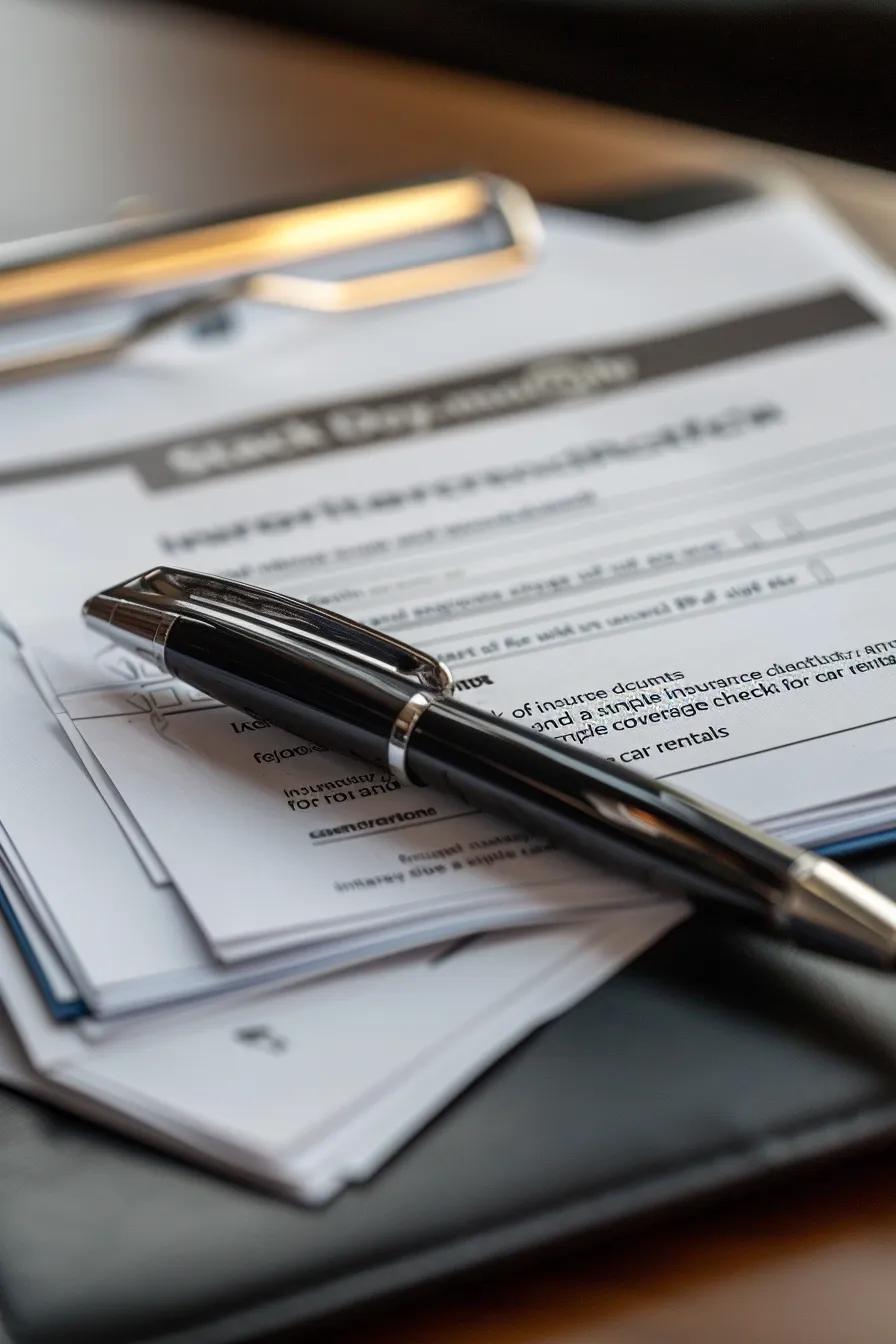
Having the right insurance mix is essential to protect both you and your renter. Different policies cover different risks, so knowing which options apply to rentals helps you avoid gaps that could cost you later.
How Do Personal and Commercial Insurance Policies Differ for Vehicle Owners?
Personal auto policies are written for everyday, private use. They often exclude vehicles used regularly for business or rental activities. Commercial policies are built for business use — including rentals — and typically carry higher liability limits and broader coverage. If you plan to rent your car frequently, a commercial or specialized rental policy usually offers safer protection than a standard personal policy.
What Supplemental Insurance Options Protect Car Owners in Peer-to-Peer Rentals?
Supplemental plans can add layers of protection for owners in peer-to-peer programs. Common options include:
- Rental Reimbursement Coverage: Pays lost income if your vehicle is out of service while being repaired after a covered event.
- Additional Liability Coverage: Extends protection beyond the renter’s primary policy limits.
- Comprehensive & Collision: Covers damage to your vehicle regardless of fault, depending on policy terms.
Choosing the right supplements reduces the chance you’ll be left paying out of pocket after a claim.
What Are the Key Liability Risks for Vehicle Owners Renting Out Their Cars?

When you rent your vehicle, watch for these common liability exposures:
- Damage Responsibility: Renters are typically on the hook for damage during the rental, but uncovered repairs can still fall back to you if reporting or documentation is incomplete.
- Insurance Gaps: If a renter’s coverage lapses or doesn’t apply to rentals, you could face unpaid claims.
- Indemnification: Many agreements require renters to indemnify the owner and company for fines, tolls, and misuse-related damages.
- Prohibited Uses: Uses like racing, towing, or transporting illegal goods can void coverage and expose you to legal action.
- Failure to Report: Unreported mechanical issues or accidents can escalate costs and liability for the owner.
- Policy Violations: Breaches of the rental contract may result in termination and financial loss.
Clear rules, documented handovers, and strict reporting expectations help reduce these risks.
Who Is Legally Responsible for Damages or Accidents During Rentals?
Generally, the renter is legally responsible for incidents that occur during their rental period and must carry active insurance. That said, the contract and applicable insurance terms ultimately determine responsibility — so confirm coverage, collect documentation, and enforce reporting rules before and during every rental.
Research and industry guidance continue to call for clearer legal rules to govern liability in shared car systems as the market grows.
Legal Liability & Regulation in Shared Car Services
Emerging shared-car services raise complex legal questions — from who is responsible when rules are broken to how platforms apply fines. Academic work on this topic explores options for regulating these issues and clarifying responsibility between users, owners, and companies.
An Analysis on the Legal Liability of Shared Car, 2017
How Can Vehicle Owners Mitigate Financial and Legal Liability?
You can lower your exposure by following a few practical steps:
- Keep Insurance Active: Ensure the vehicle is covered during every rental period by an appropriate policy.
- Require Immediate Reporting: Make renters report warning lights, mechanical problems, and accidents right away to prevent bigger damage and disputed claims.
- Use Clear Indemnification Terms: Spell out renter responsibility for fines, tolls, and improper use in the rental agreement.
- Enforce Rental Rules: Require safe operation, adherence to traffic laws, and forbid prohibited uses to avoid coverage lapses and legal exposure.
- Inspect the Vehicle: Document the vehicle’s condition before and after each rental to support any claim or chargebacks.
These steps cut risk and make claims easier to resolve if something goes wrong.
How Does the Vehicle Owner Partnership Program Support Insurance and Liability Protection?
Our Vehicle Owner Partnership Program offers dedicated support and access to insurance solutions tailored for rental use. Programs like this typically bundle specialized coverages and guidance so owners don’t have to navigate complex policies alone.
What Benefits Does the Partnership Program Offer for Insurance Coverage?
Partnership programs commonly provide higher liability limits, specialized rental products, and hands-on support to help owners understand claims, policy limits, and compliance requirements. These benefits simplify risk management for owners who rent their vehicles regularly.
How Are Rental Agreements Structured to Protect Owners and Renters?
Rental contracts are written to balance protection and clarity for both parties. Key provisions usually include:
- Payment & Deposits: Full payment and a refundable security deposit are collected before pickup to cover damages or unpaid fees.
- Liability & Responsibility: The renter accepts responsibility for damage during the rental and must maintain active insurance and report incidents immediately.
- Use Restrictions: The agreement lists prohibited activities (racing, towing, off-road use) to protect the vehicle and insurance coverage.
- Termination Rights: The company can end the rental for nonpayment or policy violations, allowing owners to reclaim their vehicles when needed.
- Indemnification: Renters agree to hold the owner and company harmless for certain fines, damages, or liabilities caused by misuse.
- GPS Tracking: Optional GPS helps with safety, theft prevention, mileage verification, and enforcing payment or return terms.
Well-written agreements reduce ambiguity and speed resolution when issues arise.
What Are the Common Claims Processes and Risk Mitigation Strategies for Car Owners?
Typical claim steps include:
- Report the Accident: Collect a police report, photos, and the renter’s insurance information immediately after an incident.
- Notify the Company: Inform the rental platform or company right away about any mechanical problems or collisions.
Best practices to limit risk:
- Keep Insurance Current: Verify coverage before each rental.
- Communicate Quickly: Encourage immediate reporting of issues to prevent escalation.
- Do Quick Vehicle Checks: Inspect the car at pickup and return to document condition and catch problems early.
How Should Vehicle Owners Handle Insurance Claims After Rental Incidents?
Make sure renters know their claim responsibilities up front. Require immediate reporting, gather a police report and photos, and collect insurance details. If damage isn’t covered, document costs and follow the contract’s damage-recovery process. Keeping accurate records and photos is essential to support any claim or charge to the renter.
What Steps Can Reduce Liability Risks When Renting Out Your Car?
Use these practical safeguards to lower liability:
- Confirm the renter’s insurance is active at all times.
- Require immediate reporting of warning lights, mechanical issues, or accidents.
- Do a thorough walkaround and checklist before and after each rental.
- Use GPS for safety, mileage tracking, and theft deterrence.
- Clearly list prohibited uses (racing, off-road, hauling illegal goods) in the contract.
- Include an indemnification clause to cover fines, tickets, and misuse-related costs.
- Collect a refundable deposit to cover potential damages or unpaid fees.
Following these steps helps protect your asset and keeps claims straightforward.
Strong risk-management practices are key for rental businesses to protect vehicles and minimize liabilities.
Car Rental Risk Management & Vehicle Security
As car rental demand grows, so do the risks to fleets. Recent studies examine how companies can identify and manage those risks — from regular maintenance and monitoring to formal risk assessment and ongoing security practices — to improve vehicle safety and reduce losses.
Risk Management and Service Management Strategies for Car Rental in Improving Vehicle Security Quality for the Company, 2024
What Legal Considerations Should Car Owners Know When Renting Out Their Vehicles?
Before you list your car, be clear on the legal landscape. Key considerations include:
- Liability for Damage: Renters typically cover damage during their rental. If they don’t report incidents, charges can still apply under your agreement.
- Insurance Requirements: Require active insurance at all times and clear documentation after any accident.
- Indemnification: Use indemnity language to protect against fines, tolls, and misuse-related liability.
- Prohibited Uses: Spell out banned activities — racing, towing, transporting illegal goods, and subleasing — to protect coverage and limit legal exposure.
- Deposit & Payment Rules: Collect a refundable deposit and full payment up front; unpaid balances or damage can be deducted from the deposit.
- Maintenance Responsibilities: While routine maintenance is often handled by the company, renters must report issues promptly to prevent further damage and liability.
These rules help you stay compliant and reduce the chance of costly disputes.
What Are the Legal Risks Associated with Peer-to-Peer Car Rentals?
Peer-to-peer rentals bring extra legal complexity:
- Damage Liability: Renters usually cover damage, but gaps in coverage or reporting can leave owners exposed.
- Insurance Gaps: Not all personal policies cover peer-to-peer rentals — check policy language carefully.
- Reporting Requirements: Prompt reporting is essential; failure to report can create additional charges or coverage problems.
- Prohibited Activities: Rule violations can void coverage and trigger legal action.
- Indemnification: Many platforms rely on indemnity clauses to shift risk back to renters.
- Payment Disputes: Nonpayment or disputes over fees can lead to repossession or legal claims.
- Policy Violations: Breaching the rental agreement can end the contract and result in penalties.
Read platform rules and your insurance policy carefully before participating in peer-to-peer rentals.
The peer-to-peer sharing economy requires clearer contracts and stronger risk controls to protect owners, renters, and platforms alike.
P2P Sharing Economy: Legal Obligations & Risk Management
The rapid growth of peer-to-peer platforms has outpaced legal norms in many areas. Research suggests clearer contractual frameworks — for example, applying bailment principles — can better define obligations, limit platform-driven surprises, and help participants manage risk when sharing assets.
Bailment in the Peer-to-Peer Sharing Economy, S Zhu, 2023
How Do Recent 2024 Insurance Policy Updates Affect Vehicle Owners?
Policy updates in 2024 may change liability limits, introduce new requirements for rental agreements, or add protections for owners. Keep an eye on insurer announcements and platform policies so you can adjust your contracts and coverage promptly.
Frequently Asked Questions
What should I do if my renter fails to return the car on time?
First, try to contact the renter to find out why. If they don’t respond or the delay is excessive, follow the rental agreement’s late-return rules and penalties. If you suspect theft, notify local authorities and your insurer right away.
How can I ensure my vehicle is safe during rentals?
Use GPS tracking, perform thorough inspections at pickup and return, document the vehicle’s condition with photos, and clearly list prohibited uses in your agreement. A refundable deposit also gives you financial protection against damage or unpaid fees.
What are the tax implications of renting out my car?
Income from rentals is generally taxable. You may be able to deduct related expenses like maintenance, insurance, and depreciation. Speak with a tax professional to understand reporting requirements and eligible deductions for your situation.
Can I rent out my car if it has a loan on it?
Possibly — but check your loan agreement. Some lenders restrict renting financed vehicles. If renting is allowed, notify your lender if required and make sure your insurance covers rental use so both your interests and the lender’s are protected.
What happens if my car is damaged during a rental?
If the renter has active insurance, they should file a claim and provide a police report and photos. If damage isn’t covered, follow the contract’s damage-recovery process and use your deposit or pursue reimbursement from the renter as allowed by the agreement. Keep clear records to support any charges.
How can I find reliable renters for my car?
Use reputable platforms that vet users and show ratings. Set clear terms, require documentation, and price competitively. Good communication and consistent enforcement of rules help you attract reliable renters and build repeat business.
What should I include in my rental agreement?
Include payment terms, rental period, security deposit rules, insurance requirements, reporting procedures for accidents and mechanical issues, prohibited uses, indemnification, and termination conditions. Make sure both parties sign and keep copies for your records.
Does My Personal Insurance Cover Peer-to-Peer Car Rentals?
Not always. Many personal policies exclude peer-to-peer rentals or have limits that don’t apply. Review your policy and speak with your insurer — you may need a commercial or specialized rental policy to be fully protected.
What Liability Coverage Is Required for Car Sharing and Gig Economy Drivers?
Drivers in car sharing or gig roles typically need liability limits that meet or exceed state minimums, and in many cases higher limits to cover potential third‑party claims. Check local regulations and platform requirements to confirm the minimum coverage you must carry.
To learn more about partnering your vehicle and maximizing earnings, visit Fast Lane Hustle Rentals – Partner Your Car.
At Fast Lane Hustle Rentals, we build programs and resources that help vehicle owners succeed. Whether you want to rent out one car or add several to our platform, we provide guidance on insurance, contracts, and claims so you can earn with confidence.
Insurance and liability can feel complex — but you don’t have to go it alone. Contact Fast Lane Hustle Rentals and we’ll walk you through the protections that fit your needs.
Conclusion
Renting out your car can be profitable, but it comes with responsibilities. The right insurance, clear rental agreements, prompt reporting, and consistent inspections make the difference between a smooth payout and an unexpected loss. Use the guidance here to tighten your processes, stay compliant with policy changes, and protect your investment. If you need help, Fast Lane Hustle Rentals is ready to support you every step of the way.